Why Your Next Phone Could Become a Fully Autonomous AI Agent
For years, smartphones have been getting smarter — faster chips, better cameras, sharper screens. But something much deeper is happening beneath the surface. The next real leap won’t be about hardware at all. It will be about intelligence.
We’re entering an era where your phone won’t just respond to commands. It will understand goals, anticipate needs, and act independently. In other words, your next phone could become a fully autonomous AI agent — and that shift may redefine how humans interact with technology on a daily basis.
From Smart Devices to Thinking Systems
Today’s smartphones already rely heavily on artificial intelligence. Face recognition, voice assistants, photo enhancement, predictive text — all of these are powered by AI. But they still operate in a reactive way. You ask, they answer. You tap, they respond.
Autonomous AI agents represent a completely different paradigm.
Instead of waiting for instructions, these systems can:
- Analyze context
- Understand intent
- Plan multi-step actions
- Execute tasks independently
This transition mirrors something important: technology is moving from tools to collaborators. And once that shift becomes mainstream, smartphones will feel less like devices and more like personal digital partners.
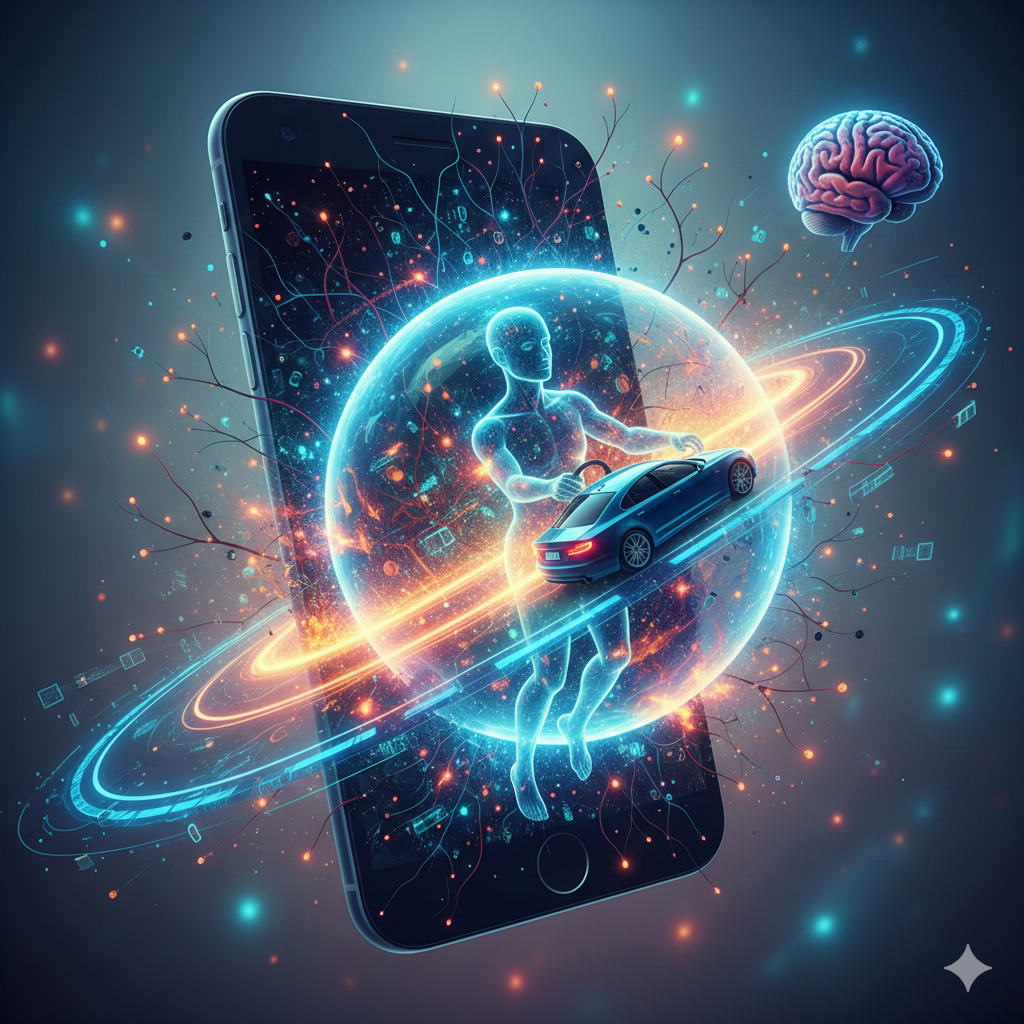
What Is an Autonomous AI Agent, Really?
An autonomous AI agent is software capable of making decisions and taking actions without constant human input. It doesn’t just execute commands — it reasons, adapts, and learns.
Imagine your phone:
- Booking appointments automatically when it detects scheduling conflicts
- Negotiating subscriptions or finding better deals without being asked
- Organizing your digital life based on behavior, not commands
- Preparing summaries, reminders, and suggestions before you realize you need them
The key difference is intent recognition. Instead of asking “What do you want me to do?”, the AI begins to understand “What are you trying to achieve?”
That subtle shift changes everything.
Why Smartphones Are the Perfect Home for AI Agents
Smartphones already sit at the center of our digital lives. They know:
- Where we go
- What we search
- How we communicate
- What we buy
- When we’re active or resting
This contextual awareness makes them ideal hosts for autonomous AI systems.
Unlike cloud-based assistants, AI agent phones can combine on-device intelligence with real-time personal data, creating faster responses, better privacy, and more meaningful automation. As chips become more powerful and energy-efficient, real autonomy on mobile devices becomes not just possible, but inevitable.
It’s also becoming clear that users don’t want more apps — they want fewer decisions. AI agents reduce friction by handling complexity in the background.
The Shift From Apps to Actions
One of the most overlooked changes is that AI agent phones could make traditional apps less relevant.
Instead of opening five apps to complete a task, you might simply say:
“Plan my weekend trip within my budget.”
Your phone could:
- Compare prices
- Book transportation
- Suggest hotels
- Sync your calendar
- Adjust your spending alerts
All without you touching a single app.
This isn’t speculation anymore. Early versions of this behavior already exist, and the momentum behind it is accelerating fast. The companies that understand this shift are building ecosystems around actions, not apps.
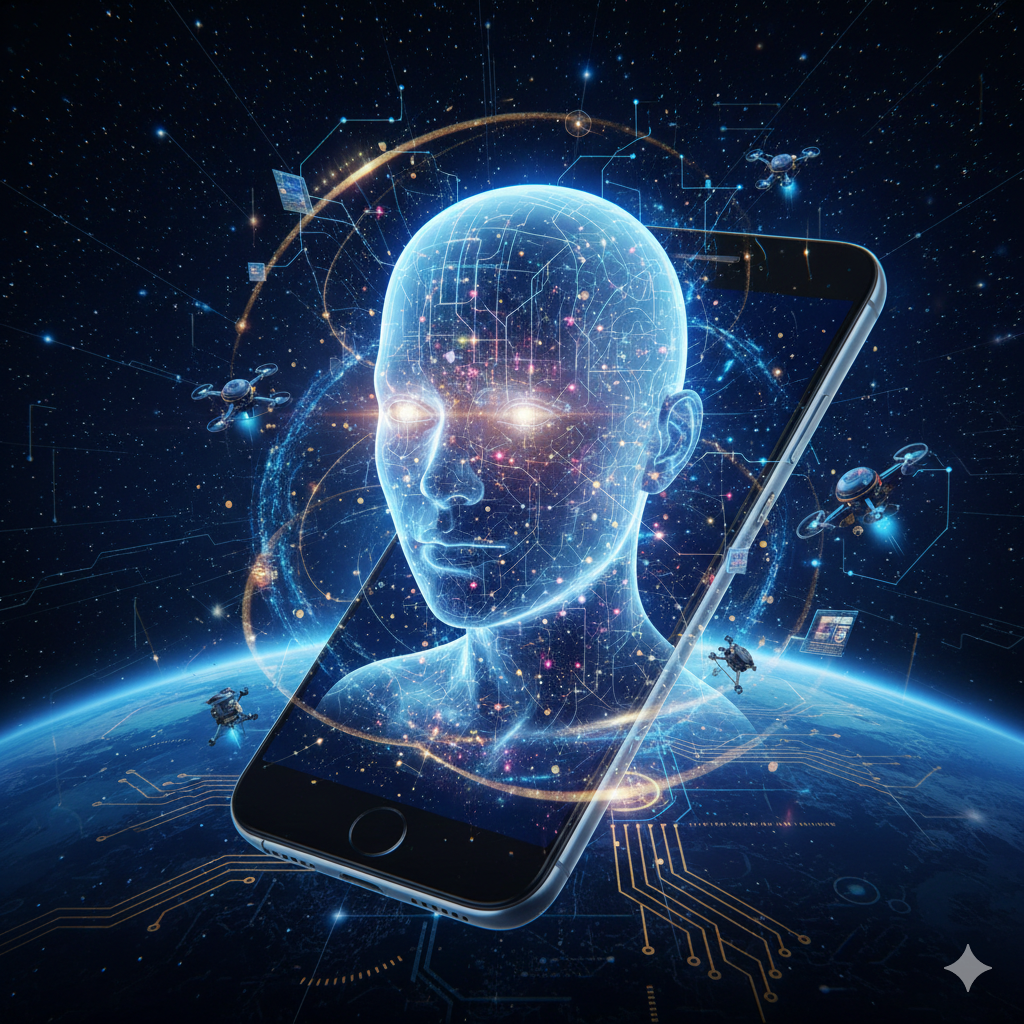
The Role of Trust and Control
Of course, autonomy brings responsibility.
Users need transparency, control, and confidence that their data is protected. The most successful AI agent phones will be those that balance automation with user authority — letting people step in or out whenever they choose.
Interestingly, trust is becoming a feature, not just a legal checkbox. Brands that design AI with clarity and ethical intent will stand out as this technology becomes more personal.
Why This Matters More Than People Realize
This evolution isn’t just about convenience. It changes how humans allocate attention and cognitive energy.
When technology handles repetitive decisions, people regain mental space for creativity, strategy, and meaningful work. That’s why AI agents aren’t just a feature upgrade — they’re a shift in how we live alongside machines.
From a broader perspective, it’s hard not to see this as the natural next step. Smartphones once connected us to information. AI agents will help us navigate life itself.
What Comes Next?
The next generation of smartphones won’t market themselves around specs alone. They’ll promise something far more valuable: time, clarity, and autonomy.
And while early versions may feel experimental, the direction is clear. The phone in your pocket is slowly becoming something closer to a digital partner — one that understands context, learns from experience, and acts with purpose.
That transition won’t happen overnight, but when it does, it will feel surprisingly natural. In fact, once people experience a truly autonomous AI phone, going back may feel almost impossible.
Final Thought
We often talk about the future of technology as if it’s distant. But in reality, it’s quietly assembling itself right now — inside the devices we already carry. The moment your phone starts acting for you instead of waiting on you, you’ll know the shift has arrived.
And when that happens, the idea of a “smartphone” may finally feel outdated.