
Under Strain: The Hidden Pressure on the Internet’s Backbone from AI, Crypto & Data-Centre Expansion
We often think of the internet as an ethereal cloud, a weightless entity that lives somewhere in the sky. But the truth is much grittier. It’s made of heavy copper, fragile fiber optics, and massive concrete warehouses that consume electricity like small nations.
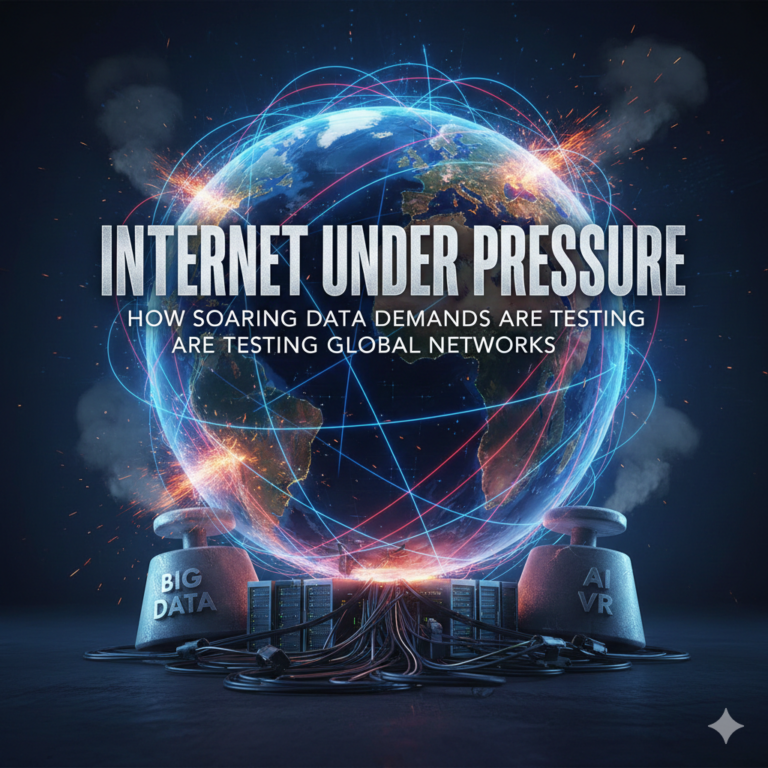
Right now, that physical infrastructure—the “backbone” of our digital lives—is reaching a breaking point. Between the insatiable hunger of Generative AI, the persistent energy demands of crypto networks, and the relentless expansion of data centers, we are witness to a silent crisis. If you ask me, we’ve been taking the internet’s stability for granted for too long, and the bill is finally coming due.
The Triple Threat: AI, Crypto, and the New Industrial Revolution
The internet wasn’t originally designed for the kind of “heavy lifting” we’re demanding today. We’ve moved past the era of simple text and video streaming into an era of massive computational processing.
1. The AI Power Hunger
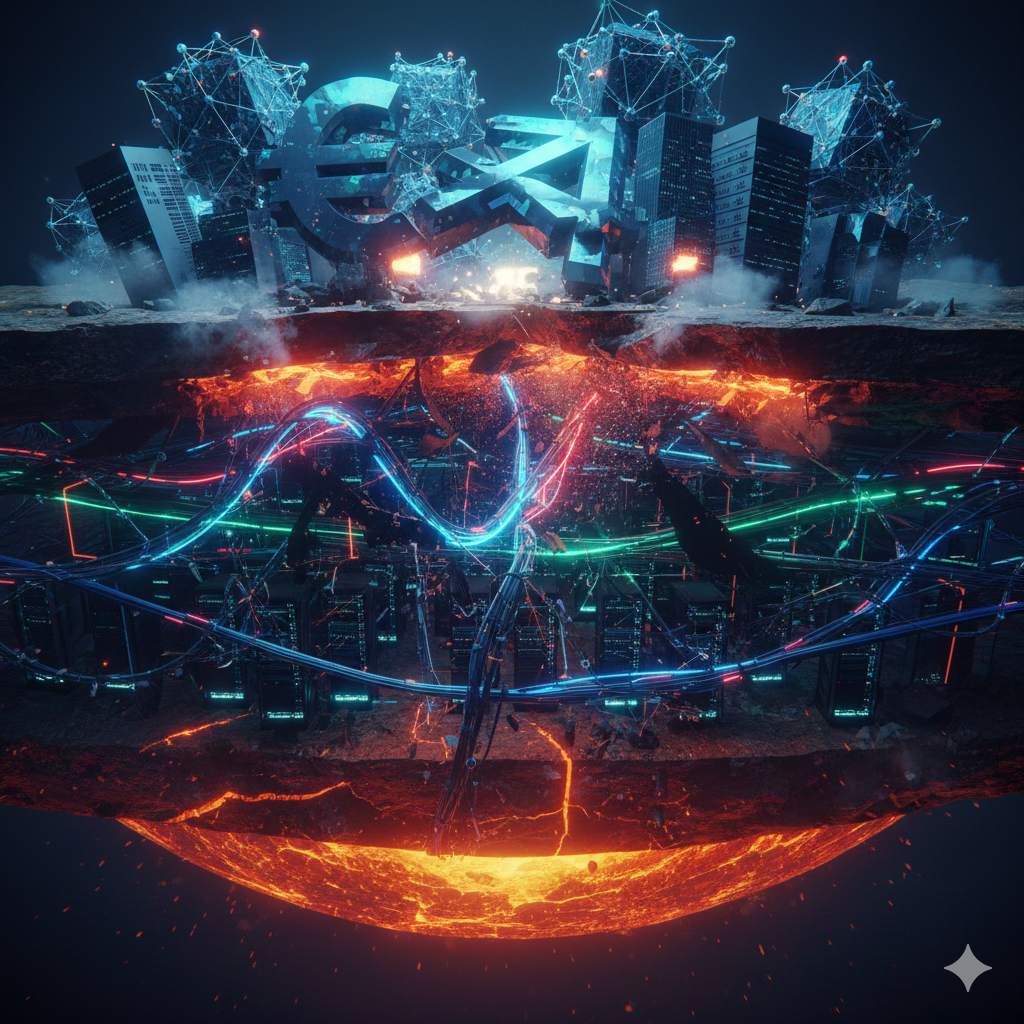
When you ask an AI to generate a 5-second video or solve a complex coding problem, you aren’t just using “software.” You are triggering a massive hardware chain reaction. AI models require specialized chips (GPUs) that run incredibly hot and draw massive amounts of power.
In my view, the current “AI arms race” is somewhat reckless regarding infrastructure. Tech giants are building data centers faster than the power grids can support them. We are essentially trying to run a Ferrari engine on a lawnmower’s fuel tank.
2. Crypto’s Constant Pulse
While Bitcoin has moved toward more sustainable mining practices and Ethereum shifted to Proof of Stake, the crypto sector still represents a significant portion of global data center occupancy. The pressure isn’t just about electricity; it’s about space and cooling. Crypto mining facilities often compete for the same land and local energy resources as the hospitals and schools that actually need them.
3. Data-Centre Expansion: The New Real Estate
Data centers are the cathedrals of the 21st century. They are expanding at a rate of 20% year-over-year in major hubs like Virginia, Dublin, and Singapore. But there’s a catch: water. These facilities require millions of gallons of water for cooling. Personally, I find it alarming that in some drought-prone regions, data centers are prioritized over agricultural needs. This is where the “hidden pressure” becomes a social issue, not just a tech one.
The Hidden Cost: Why Your Connection Might Suffer
It’s easy to think this only affects big companies, but the strain on the backbone eventually trickles down to the end-user.
- Latency Spikes: As the core routers of the internet become congested with AI-processed data, “packet loss” becomes more common.
- Energy Costs: Someone has to pay for the billions of dollars in grid upgrades. Inevitably, those costs reflect in your monthly internet or utility bills.
- Hardware Shortages: The demand for high-end server components keeps prices high for everyone else.
Analyzing the Competition: What Others Aren’t Telling You
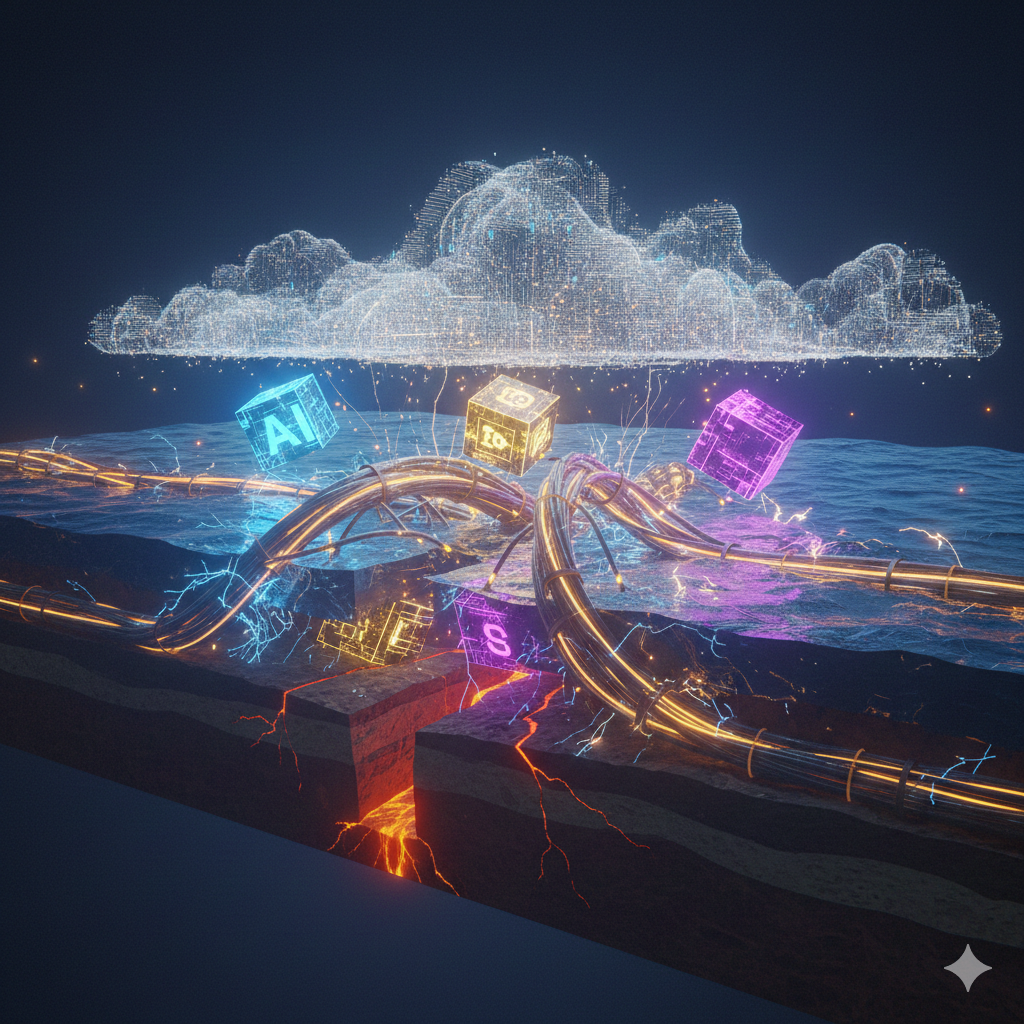
If you look at mainstream financial news, they focus purely on the stock prices of Nvidia or Amazon. They miss the “ground-level” reality. My analysis of the current market shows that we are approaching a “bottleneck phase.”
Competitor sites often claim that “green energy” will solve everything. I disagree. While renewables are great, the sheer scale of demand exceeds what current solar and wind technology can consistently provide to a 24/7 data center. We need a fundamental rethink of how we build digital infrastructure, perhaps moving toward more decentralized “edge computing” rather than these massive, fragile mega-hubs.
The Financial Implications for Investors
For the general investor interested in tech and finance, this strain creates both risk and opportunity.
- The Risk: Companies that rely too heavily on centralized AI without owning their own infrastructure may face skyrocketing operational costs.
- The Opportunity: Look at the “picks and shovels” of the infrastructure world. Companies specializing in liquid cooling technologies, modular data centers, and specialized energy storage are the ones that will thrive when the grid hits its limit.
Looking Ahead to 2025
By 2025, the “Internet’s Backbone” will either be reinforced with trillions in new investment or we will start seeing localized “digital brownouts.” The expansion is non-negotiable—our society depends on it—but the way we expand must change.
We need to stop viewing the internet as a magic invisible force and start respecting it for what it is: the most complex and resource-intensive machine humans have ever built. It’s time we started treating it with a bit more care.