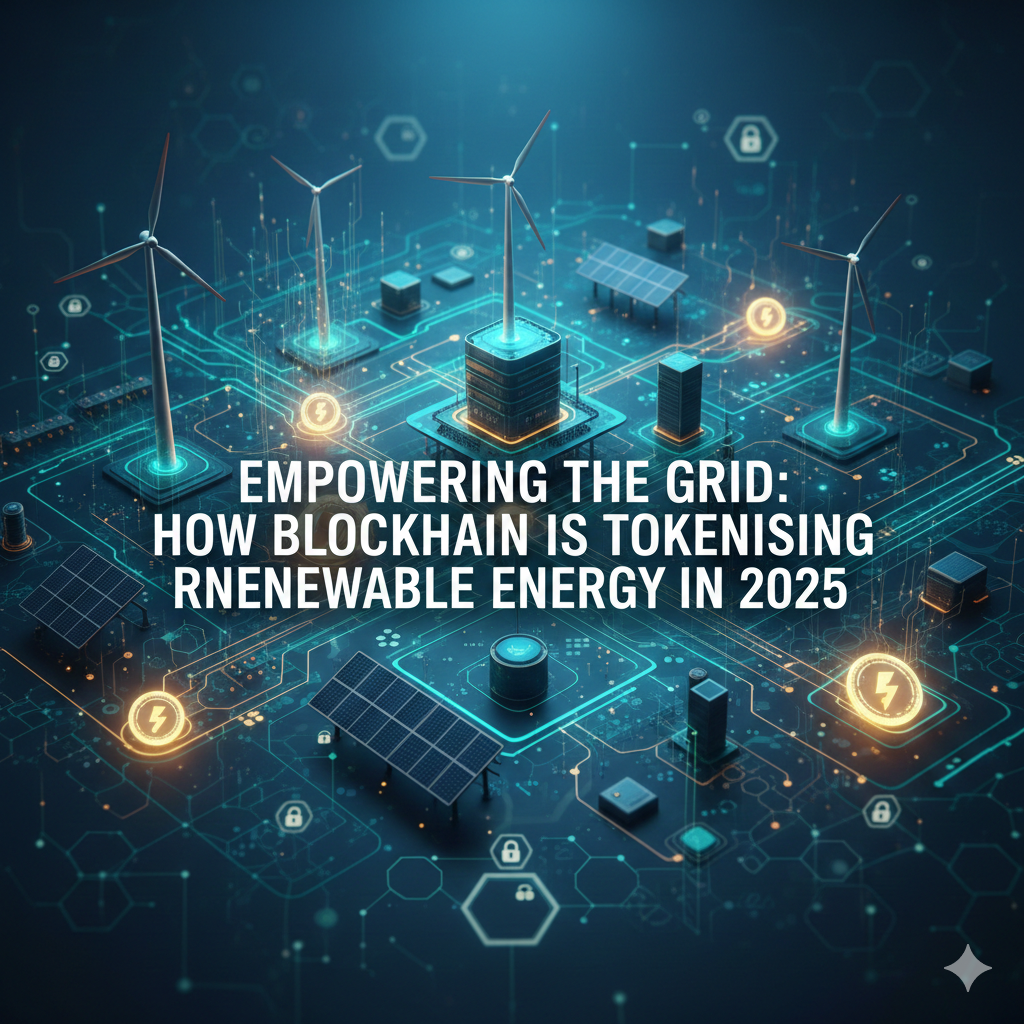
Empowering the Grid: How Blockchain Is Tokenising Renewable Energy in 2025
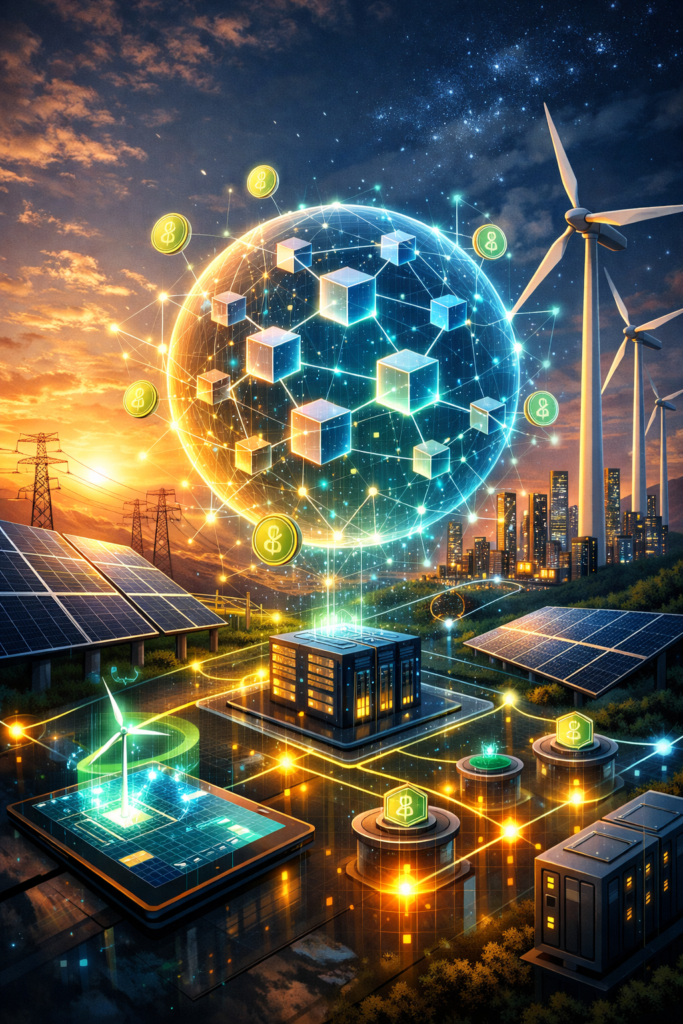
In 2025, renewable energy is no longer just about installing solar panels or wind turbines. Thanks to blockchain tokenization, the way we generate, trade, and invest in clean energy is undergoing a radical transformation. By converting energy production and assets into digital tokens, blockchain is opening access to investment, increasing transparency, and empowering decentralized grids.
Imagine a world where your rooftop solar panels aren’t just powering your home—they’re generating tradable digital tokens that can be sold to your neighbors, investors, or even multinational corporations. This is the reality blockchain is helping create today.
What Is Energy Tokenization?
At its core, energy tokenization turns physical renewable energy assets—like solar farms, wind parks, or hydroelectric plants—into digital tokens on a blockchain. These tokens can represent:
- Ownership shares in renewable energy infrastructure
- Future energy delivery rights, such as tokenized Power Purchase Agreements (PPAs)
- Renewable Energy Certificates (RECs) or carbon credits
These tokens are tradable, trackable, and verifiable on decentralized networks. By making megawatts of energy accessible as fractional digital assets, tokenization lowers entry barriers for investors and unlocks liquidity in a market that was traditionally slow and capital-intensive.
Transparency and Trust Through Blockchain
One of the most compelling benefits of blockchain is transparency. Every transaction—from energy generation to token trading—is immutably recorded, enabling:
- Real-time verification of energy origin
- Reliable tracking and retirement of RECs
- Reduced dependency on intermediaries for audits and reporting
For instance, when a company purchases tokenized renewable energy, it can instantly verify that the energy came from a certified solar farm rather than relying on paper-based certificates. This kind of accountability not only strengthens ESG claims but also increases trust among investors and consumers alike.
Fractional Ownership: Democratizing Energy Investment
Tokenization enables fractional ownership, allowing individuals and small investors to participate in renewable energy projects previously limited to large institutions. For example:
- A 10 MW solar farm can be divided into thousands of tokens
- Investors can buy as little as one token, gaining exposure to the plant’s revenue and energy output
- Tokens can be traded on secondary markets, increasing liquidity and financial flexibility
This democratization is a game-changer. It channels capital from a broader pool, accelerates project funding, and incentivizes everyday consumers to become stakeholders in the green energy transition.
Peer-to-Peer Energy Trading
Blockchain is also revolutionizing how energy is bought and sold. Decentralized marketplaces allow peer-to-peer (P2P) energy trading, where smart contracts automate transactions based on supply and demand:
- Homeowners can sell excess energy tokens directly to neighbors
- Communities can create localized microgrids with efficient energy distribution
- Utilities gain real-time visibility into decentralized energy flows
By eliminating intermediaries, P2P trading reduces costs and encourages local energy independence, making grids more resilient and adaptive.
Carbon Credits and Renewable Energy Certificates
Tokenization provides a transparent framework for carbon credits and RECs. Each token can correspond to a verified unit of renewable energy production, ensuring:
- No double-counting of credits
- Accurate, verifiable ESG reporting
- Easier compliance for corporations and investors
This direct link between energy production and environmental claims builds credibility, attracting investment and enhancing the legitimacy of carbon markets.

Leading Platforms Driving Tokenization in 2025
Several blockchain platforms are already shaping the renewable energy landscape:
| Platform | Focus Area | Key Feature |
|---|---|---|
| Powerledger | P2P energy trading | Smart contracts for real-time energy settlement |
| WePower | Tokenized PPAs | Enables investors to buy energy futures |
| Energy Web Token | Grid services and renewables | Decentralized energy market tools |
| KlimaDAO | Carbon credit tokenization | Connects environmental impact to blockchain |
| Centrifuge | Real-world asset tokenization | Tokenizes loans and renewable energy investments |
By combining financial innovation with renewable energy infrastructure, these platforms are making it easier than ever to invest in, trade, and verify clean energy at scale.
Challenges Ahead
Despite rapid progress, several challenges remain:
- Regulation: Energy markets are complex and highly regulated. Blockchain models must navigate jurisdiction-specific rules.
- Technical Integration: Linking IoT devices, smart meters, and grids to blockchain requires robust infrastructure.
- Interoperability: Different token standards must align for seamless trading.
- Cybersecurity: Smart contracts and integration points need rigorous audits to prevent vulnerabilities.
Addressing these challenges will require collaboration among policymakers, developers, and utilities, but the potential rewards are enormous: a more efficient, transparent, and decentralized energy ecosystem.
The Future of the Grid
Blockchain tokenization is not just a technological experiment—it is actively reshaping energy markets. By making renewable energy more accessible, tradable, and accountable, it empowers consumers, investors, and utilities alike.
By 2025, tokenized renewable energy is poised to:
- Democratize access to green investments
- Enable localized, peer-to-peer energy trading
- Enhance transparency for carbon credits and ESG compliance
- Unlock new revenue streams for energy producers
As more households, corporations, and investors participate, the grid itself evolves from a centralized system into a decentralized, dynamic network powered by innovation, transparency, and community-driven energy markets.
In short, the future of energy is not only renewable—it’s tokenized, democratized, and empowered by blockchain.