IoT‑Driven Microtransactions: Opening a New Chapter in Payments
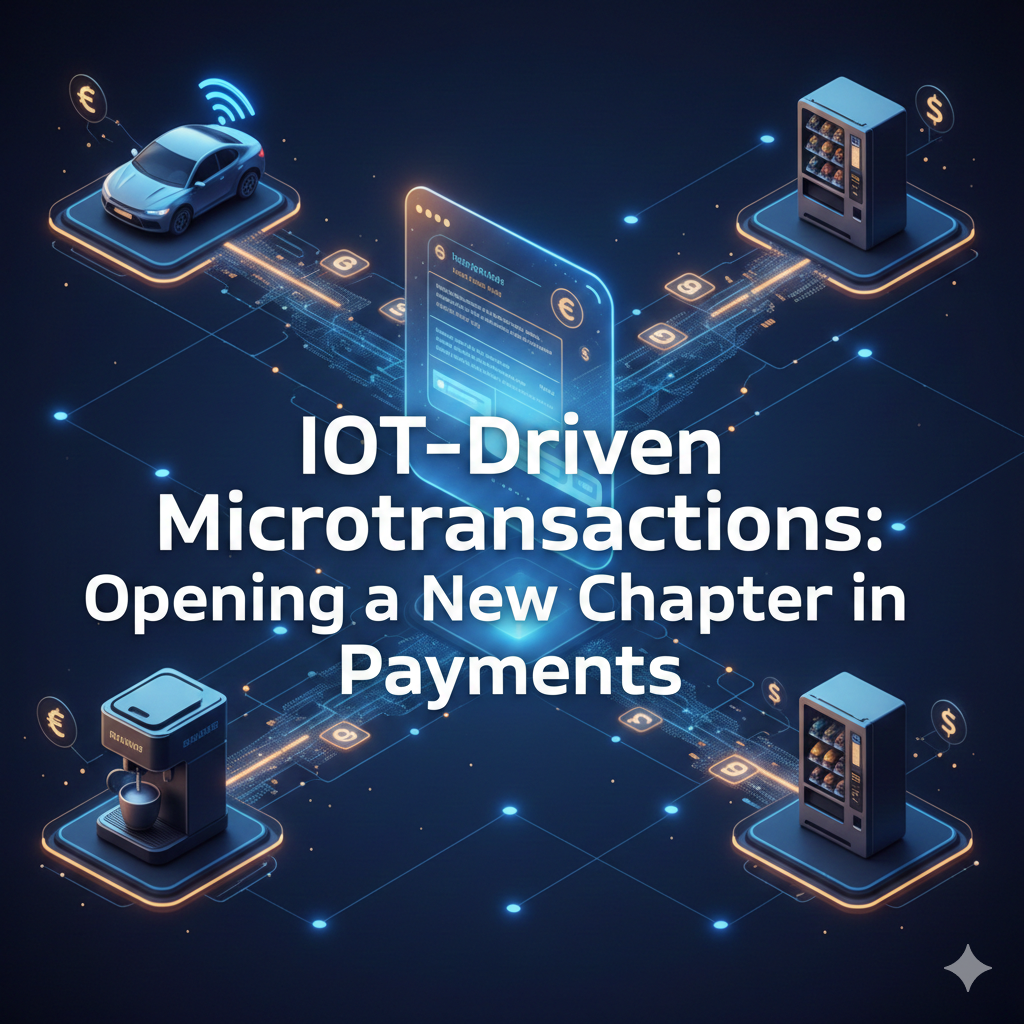
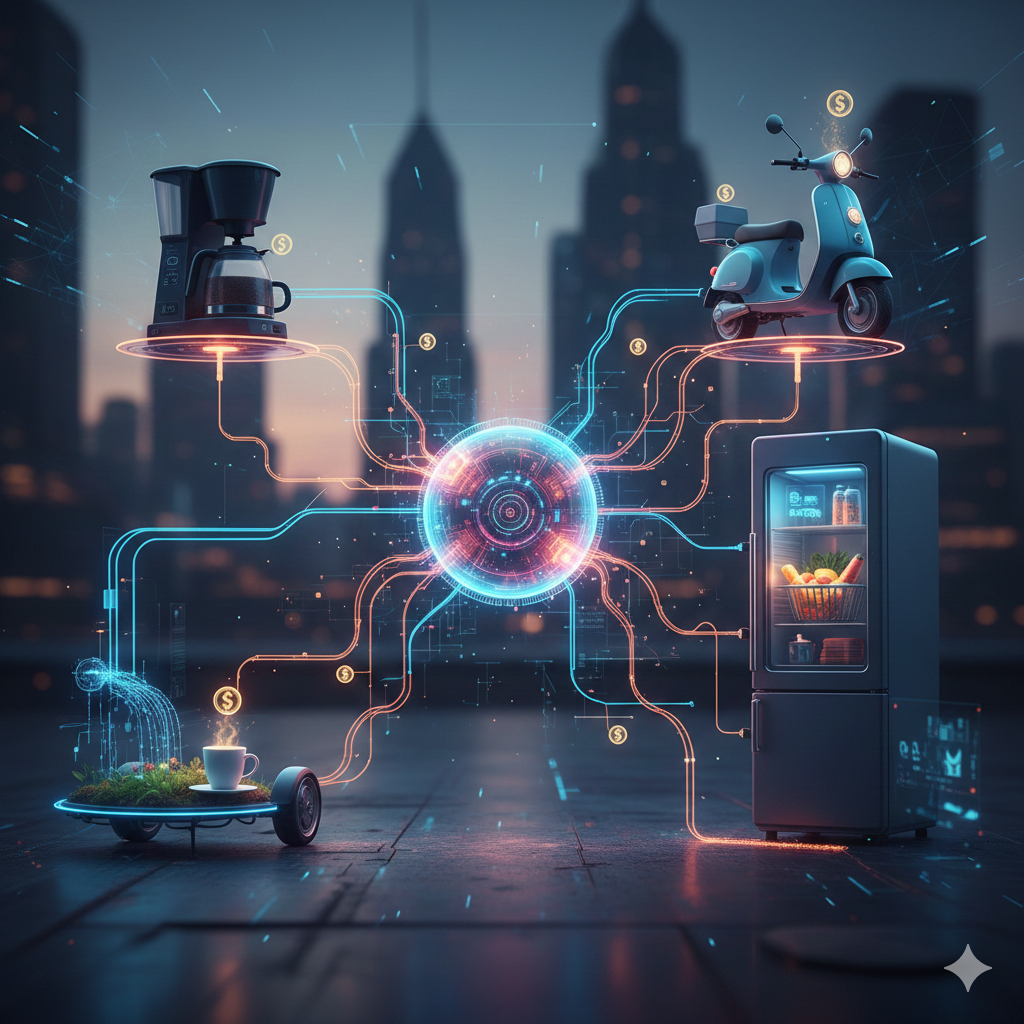
The way we pay for goods and services is evolving faster than ever, and IoT microtransactions are at the forefront of this transformation. Imagine your coffee machine ordering beans, your electric car paying for its own charging, or a smart fridge restocking groceries automatically. This isn’t science fiction—it’s the new frontier of machine-to-machine payments, where devices transact autonomously, securely, and efficiently.
The Rise of IoT Microtransactions
The Internet of Things (IoT) has already changed how we interact with technology in our homes, cars, and workplaces. The next step? Turning devices into active participants in the financial ecosystem. Unlike traditional payments, microtransactions allow devices to exchange small sums—sometimes just fractions of a cent—without human intervention.
For businesses and consumers alike, this shift represents immense convenience. You don’t have to think about topping up your electric vehicle at a charging station or paying for shared office equipment; the devices handle the transactions, freeing time and reducing friction. Moreover, these microtransactions can accumulate in real-time, providing granular insights into usage and efficiency.

How It Works: Behind the Scenes
At the core of IoT microtransactions is secure device identity. Each device must have a unique, verifiable digital identity, often managed through public key infrastructure (PKI) or blockchain-based authentication. Once identities are established, devices can execute automated transactions over trusted networks.
Consider a smart home scenario: your dishwasher detects that detergent is low. It autonomously orders more from a preferred supplier, processes the payment, and schedules delivery. The entire process is seamless, with the devices interacting through secure payment rails optimized for microtransactions.
Blockchain and decentralized finance technologies are particularly well-suited here, offering trustless, tamper-proof ledgers that prevent fraud while allowing for high-volume, low-value transactions. While not every IoT payment system will rely on blockchain, its inclusion is accelerating adoption for industries where security and transparency are critical.
Practical Applications Across Industries
IoT microtransactions aren’t limited to smart homes—they span multiple sectors:
- Automotive and Mobility: Electric vehicles paying for charging or tolls automatically, reducing the need for human intervention and ensuring accurate, instant billing.
- Smart Cities: Sensors managing streetlights, parking, or waste disposal can optimize costs by transacting micro-fees for usage.
- Industrial IoT: Machines ordering spare parts, scheduling maintenance, or paying for cloud services without human oversight enhances operational efficiency.
- Retail and Vending: IoT-enabled vending machines or automated stores can process thousands of microtransactions daily, making purchases faster and frictionless.
Across these examples, the benefit is twofold: devices perform actions instantly, and organizations collect detailed, real-time data to optimize costs and resources. Anyone who’s managed a fleet of assets can appreciate how valuable this insight can be.
Challenges and Security Considerations
Of course, automating payments comes with challenges. Security is paramount. IoT devices often operate on lightweight hardware, making them vulnerable to attacks. Weak device authentication or insecure payment channels could expose users to financial risks.
There’s also interoperability. Devices from different manufacturers must communicate seamlessly, requiring standardized protocols for microtransactions. The industry is moving quickly to adopt frameworks for secure, scalable, and low-latency payments, but it’s not fully mature yet.
Lastly, regulation and compliance present another layer of complexity. Payment systems need to comply with anti-money laundering (AML) laws, digital identity verification, and privacy regulations—even when transactions are tiny and automated. It’s a delicate balance between innovation and regulation, and forward-thinking solutions are beginning to navigate it effectively.
The Role of Embedded Finance
Embedded finance is another key driver in the IoT payments revolution. By integrating financial services directly into devices or platforms, companies can facilitate real-time, contextual transactions. You don’t need a separate payment app—your smart thermostat can settle energy costs as you consume, or your wearables can automatically fund small wellness services.
This seamless integration creates frictionless user experiences, a hallmark of modern consumer expectations. While traditional finance often feels cumbersome, embedded finance combined with IoT microtransactions transforms payments into a background process that just works.
Why IoT Microtransactions Matter for Consumers and Businesses
From a consumer perspective, convenience and automation are obvious advantages. But for businesses, IoT microtransactions offer unprecedented operational insights. Imagine analyzing the cumulative payments from thousands of smart devices—this data informs inventory planning, maintenance schedules, energy usage, and even new revenue streams.
There’s also a subtle shift in mindset: consumers may become less aware of individual costs, but collectively, microtransactions can optimize spending habits. It’s almost like your devices are financial advisors, negotiating tiny payments to save time, energy, and money. While some may worry about loss of control, the benefits of seamless automation are compelling.
Future Outlook
The IoT microtransaction ecosystem is poised for explosive growth. Analysts predict billions of connected devices will participate in autonomous payments within the next decade. As infrastructure, protocols, and regulation mature, we can expect broader adoption across industries, from automotive and utilities to healthcare and retail.
We may also see innovative business models, such as pay-per-use appliances, micro-subscriptions, or device-driven loyalty programs. The possibilities are limited only by imagination—and the secure implementation of payment frameworks.
Ultimately, IoT microtransactions are more than a technological curiosity; they represent a fundamental shift in how value flows in a connected world. The devices we interact with daily will not just consume resources—they will autonomously manage them, ensuring efficiency, transparency, and reliability.
Conclusion
IoT microtransactions are not a distant future—they’re already reshaping how payments occur in real time, automatically, and at scale. By combining secure device identity, embedded finance, and modern payment rails, businesses and consumers can unlock a new level of efficiency, convenience, and intelligence.
The shift is subtle but profound: as machines take on the responsibility of small, frequent transactions, humans gain time, insight, and confidence in a system that runs smoothly in the background. In this new chapter of payments, the devices around us are not just tools—they’re active participants in the economy. And that, more than anything, opens doors to innovation, efficiency, and smarter financial interactions.